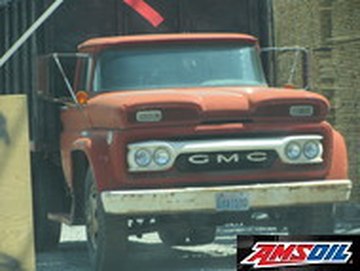
Lubrication Maintenance for the 1982 Gmc Trucks JIMMY 6.2L Diesel
Maintaining a diesel engine requires a disciplined approach to fluid management and regular inspections. For the 1982 Gmc Trucks JIMMY equipped with the 6.2L diesel engine, consistent attention to lubrication systems is a fundamental aspect of long-term vehicle health. Because diesel engines operate under different mechanical stresses than gasoline counterparts, understanding how to monitor and maintain your lubricant is essential for any owner.
Monitoring Fluid Integrity and Consumption
One of the most effective ways to monitor the health of your 6.2L engine is through regular observation of fluid levels and appearance. While many owners focus solely on scheduled changes, paying attention to how the engine behaves between services can provide early indicators of maintenance needs.
If you notice a change in the way the vehicle operates or observe unusual patterns in lubricant consumption, it warrants a closer investigation. For example, an unexpected drop in fluid levels may indicate a leak or increased consumption that should be addressed promptly. Similarly, changes in the color or texture of the oil can sometimes be associated with various internal conditions. If the lubricant appears excessively dark or contains visible particulates, this could suggest that the interval between services needs to be reviewed or that filtration efficiency is being challenged.
It is important to remember that many different factors can cause changes in fluid appearance or consumption levels. Rather than jumping to a specific conclusion about a component failure, use these observations as prompts for a thorough visual inspection of the engine bay and undercarriage.
Systematic Inspection of Engine Components
A proactive maintenance strategy involves more than just checking the dipstick; it requires a comprehensive look at the components surrounding the engine. When performing routine service on your 1982 Gmc Trucks JIMMY, consider the following inspection points:
- Seals and Gaskets: Inspect various gaskets and seals for signs of age-related seepage or leakage. Even small amounts of moisture around sealing surfaces can eventually lead to larger issues if left unmonitored.
- Hoses and Connections: If present, examine engine hoses for signs of hardening, cracking, or bulging. Ensure that all electrical connections and wiring harnesses near heat sources appear secure and free from significant degradation.
- Drive Belts: If equipped, inspect accessible drive belts for evidence of cracking, glazing, fraying, or general deterioration. A belt that shows signs of wear may eventually fail, affecting the operation of various engine accessories.
- Cooling System: Look for any visible evidence of leakage around cooling system components to ensure the engine remains within its intended operating temperature range.
By integrating these checks into your regular maintenance routine, you can identify potential issues before they escalate into more significant mechanical concerns.
Managing Long-Term Engine Health
As a vehicle ages, the approach to maintenance often shifts from strictly following a schedule to a more condition-based strategy. For an older diesel application like the 1982 Gmc Trucks JIMMY, establishing a clear baseline of the engine's current state is highly beneficial.
If you have recently acquired this vehicle or do not have access to a complete service history, your first priority should be to establish a maintenance baseline. This involves documenting the current condition of all fluids, the effectiveness of the filtration system, and any existing minor leaks. Having a reliable record of these observations allows you to track changes over time, making it much easier to distinguish between normal aging and a developing problem.
When reviewing your maintenance priorities, address active concerns—such as visible seepage or unusual noises—before focusing on purely preventive measures. Keeping a detailed log of completed repairs, fluid changes, and even minor observations will serve as an invaluable tool for making informed decisions about the vehicle's future service requirements.
The Role of High-Mileage Formulations
For engines that have accumulated significant mileage, certain lubricant technologies may be worth considering. Some high-mileage oil formulations contain additives intended for use in aging engines. These specialized products often include seal-conditioning additives designed to help maintain the integrity of various gaskets and seals throughout the engine. While these formulations are not a substitute for addressing active leaks, they can be a useful component of a maintenance strategy for an older 6.2L diesel engine.
Effective Lubricant Selection Strategies
Selecting the correct lubricant is a critical decision that directly impacts the efficiency and protection of your engine. For the 1982 Gmc Trucks JIMMY, you must ensure that any product you choose aligns with the specific requirements of the 6.2L diesel engine. Because different engines have unique needs regarding additive packages and thermal stability, relying on general automotive knowledge can lead to incorrect selections.
When evaluating products, always prioritize the application-specific information provided for your vehicle. This includes checking for appropriate API certifications that confirm the oil meets modern standards for quality and performance. Whether you are considering conventional oils, synthetic blends, or full synthetic options, the most important factor is how well the product matches the technical specifications listed for your specific engine.
Practical Advice for Buying Engine Oil for your 1982 Gmc Trucks JIMMY 6.2L
When you are ready to purchase new lubricant, avoid making assumptions based solely on the age of the vehicle or general diesel engine trends. The most reliable way to ensure a correct match is to refer directly to the application-specific oil viscosity and requirements already displayed on this webpage. Match the engine oil to the application-specific viscosity information shown above before completing your purchase.
Before finalizing your selection, carefully check the product labeling to verify that the grade and specifications align with the data provided for your 6.2L diesel engine. If you are looking for specialized options, such as high-mileage formulations, ensure they are compatible with the specific needs of your application. By strictly adhering to the technical information provided on this page, you can select a lubricant that supports the continued operation of your Gmc Jimmy.